Buy homepartner.eu ?
We are moving the project
homepartner.eu .
Are you interested in purchasing the domain
homepartner.eu ?
domain@kv-gmbh.de · 0541-91531010
Buy homepartner.eu ?
How dangerous are broken cables of electrical kitchen appliances?
Broken cables of electrical kitchen appliances can be very dangerous as they can expose live wires, leading to the risk of electric shock or even fire. If the insulation is damaged, there is a high chance of short circuits occurring, which can be hazardous. It is important to immediately stop using the appliance and have it repaired or replaced by a professional to avoid any potential accidents. **
How dangerous are damaged cables from electrical kitchen appliances?
Damaged cables from electrical kitchen appliances can be very dangerous. They can pose a risk of electric shock or even start a fire if not addressed promptly. It is important to regularly inspect cables for any signs of wear and tear, such as fraying or exposed wires, and replace them immediately if any damage is found. It is also crucial to follow proper safety precautions when using electrical appliances in the kitchen to prevent accidents. **

Similar search terms for Cables
Top-Angebote
Products related to Cables:
-
CABLES DIRECT CMS Cables High Speed HDMI Cable with Ethernet - 2mHigh Speed HDMI cable with Ethernet, 2 metres. HDMI (High-Definition Multimedia Interface) carries digital video and audio over a single cable between devices such as Blu-ray and DVD players, set-top boxes, games consoles, TVs, monitors and projectors.10,99 £*Shipping: 0,00 £Secure redirect to the provider
-
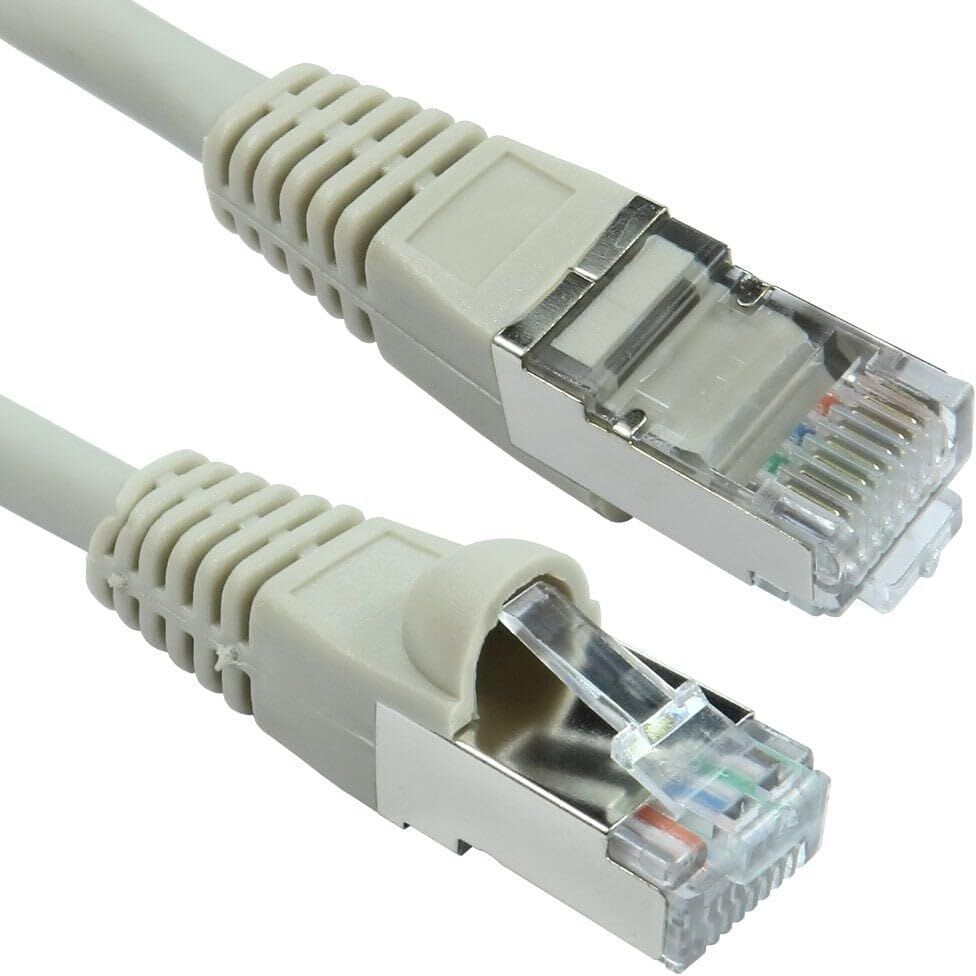
Cables Direct Cat5e UTP 10m White Network Cable - Network Cables (10m, RJ-45, RJ-45, White)Our budget-friendly 10/100 network cables deliver high performance at a lower cost, maintaining 4 unshielded twisted pairs. Note that while this meets CAT5e specifications, it uses CCA and is not suitable for POE applications.11,99 £*Shipping: 0,00 £Secure redirect to the provider


-
How dangerous are broken cables from electrical kitchen appliances?
Broken cables from electrical kitchen appliances can be very dangerous as they can expose live wires, increasing the risk of electric shock or fire. If the cables are frayed or damaged, they should be replaced immediately to prevent any accidents. It is important to regularly check the condition of cables on kitchen appliances to ensure safety in the home. **
-
Do mice also nibble on furniture or cables?
Yes, mice are known to nibble on furniture and cables. They have a natural instinct to gnaw on objects to keep their teeth from growing too long. This behavior can lead to damage to furniture, electrical wires, and other items in the home. It is important to take preventive measures to protect your belongings from mice. **
-
Are all cables connected but nothing is lighting up?
If all cables are connected but nothing is lighting up, it could indicate a problem with the power source or the device itself. Check to make sure the power source is functioning properly and that the cables are securely connected. If everything appears to be in order, there may be an issue with the device or the cables themselves. Try using different cables or testing the device with a different power source to troubleshoot the problem. **
-
What is the difference between copper cables, twisted-pair cables, fiber optic cables, and coaxial cables?
Copper cables are made of copper wire and are commonly used for transmitting electrical signals. Twisted-pair cables consist of pairs of insulated copper wires twisted together, which helps reduce electromagnetic interference. Fiber optic cables use thin strands of glass or plastic to transmit data using light pulses, allowing for high-speed and long-distance transmission. Coaxial cables have a central conductor surrounded by an insulating layer, a conductive shield, and an outer insulating layer, and are commonly used for cable television and internet connections. Each type of cable has its own advantages and is used for different purposes based on their unique characteristics. **


Where to put the cables of the living room furniture?
When arranging the cables of living room furniture, it is best to conceal them as much as possible to maintain a clean and organized look. You can use cable management solutions such as cable clips, raceways, or sleeves to keep the cables hidden and prevent tangling. Try to route the cables along the edges of the room or behind furniture to minimize their visibility and create a more aesthetically pleasing space. Additionally, consider using power strips or surge protectors with longer cords to easily reach outlets without creating a cluttered appearance. **
"Use regular cables instead of solar cables?"
Regular cables are typically used for general electrical applications, while solar cables are specifically designed for use in solar power systems. Solar cables are designed to withstand the unique environmental conditions and high temperatures associated with solar installations, making them more suitable for these applications. Using regular cables instead of solar cables in a solar power system may result in reduced efficiency, increased risk of damage, and potential safety hazards. Therefore, it is recommended to use solar cables specifically designed for solar power systems to ensure optimal performance and safety. **
Top-Angebote
Products related to Cables:
-
CABLES DIRECT CMS Cables High Speed HDMI Cable with Ethernet - 2mHigh Speed HDMI cable with Ethernet, 2 metres. HDMI (High-Definition Multimedia Interface) carries digital video and audio over a single cable between devices such as Blu-ray and DVD players, set-top boxes, games consoles, TVs, monitors and projectors.10,99 £*Shipping: 0,00 £Secure redirect to the provider
-
How dangerous are broken cables of electrical kitchen appliances?
Broken cables of electrical kitchen appliances can be very dangerous as they can expose live wires, leading to the risk of electric shock or even fire. If the insulation is damaged, there is a high chance of short circuits occurring, which can be hazardous. It is important to immediately stop using the appliance and have it repaired or replaced by a professional to avoid any potential accidents. **
-
How dangerous are damaged cables from electrical kitchen appliances?
Damaged cables from electrical kitchen appliances can be very dangerous. They can pose a risk of electric shock or even start a fire if not addressed promptly. It is important to regularly inspect cables for any signs of wear and tear, such as fraying or exposed wires, and replace them immediately if any damage is found. It is also crucial to follow proper safety precautions when using electrical appliances in the kitchen to prevent accidents. **
-
How dangerous are broken cables from electrical kitchen appliances?
Broken cables from electrical kitchen appliances can be very dangerous as they can expose live wires, increasing the risk of electric shock or fire. If the cables are frayed or damaged, they should be replaced immediately to prevent any accidents. It is important to regularly check the condition of cables on kitchen appliances to ensure safety in the home. **
-
Do mice also nibble on furniture or cables?
Yes, mice are known to nibble on furniture and cables. They have a natural instinct to gnaw on objects to keep their teeth from growing too long. This behavior can lead to damage to furniture, electrical wires, and other items in the home. It is important to take preventive measures to protect your belongings from mice. **
Similar search terms for Cables
-
Cables Direct Cat5e UTP 10m White Network Cable - Network Cables (10m, RJ-45, RJ-45, White)Our budget-friendly 10/100 network cables deliver high performance at a lower cost, maintaining 4 unshielded twisted pairs. Note that while this meets CAT5e specifications, it uses CCA and is not suitable for POE applications.11,99 £*Shipping: 0,00 £Secure redirect to the provider
-
Cables Direct 25m RCA Audio CableOur budget-friendly audio cables feature Nickel connectors, ideal for affordable audio solutions. This Nickel single RCA cable, also known as a phono cable, is designed for audio equipment with RCA sockets, typically used in mono applications or as left/right channels on stereo equipment.11,99 £*Shipping: 0,00 £Secure redirect to the provider
-
Are all cables connected but nothing is lighting up?
If all cables are connected but nothing is lighting up, it could indicate a problem with the power source or the device itself. Check to make sure the power source is functioning properly and that the cables are securely connected. If everything appears to be in order, there may be an issue with the device or the cables themselves. Try using different cables or testing the device with a different power source to troubleshoot the problem. **
-
What is the difference between copper cables, twisted-pair cables, fiber optic cables, and coaxial cables?
Copper cables are made of copper wire and are commonly used for transmitting electrical signals. Twisted-pair cables consist of pairs of insulated copper wires twisted together, which helps reduce electromagnetic interference. Fiber optic cables use thin strands of glass or plastic to transmit data using light pulses, allowing for high-speed and long-distance transmission. Coaxial cables have a central conductor surrounded by an insulating layer, a conductive shield, and an outer insulating layer, and are commonly used for cable television and internet connections. Each type of cable has its own advantages and is used for different purposes based on their unique characteristics. **
-
Where to put the cables of the living room furniture?
When arranging the cables of living room furniture, it is best to conceal them as much as possible to maintain a clean and organized look. You can use cable management solutions such as cable clips, raceways, or sleeves to keep the cables hidden and prevent tangling. Try to route the cables along the edges of the room or behind furniture to minimize their visibility and create a more aesthetically pleasing space. Additionally, consider using power strips or surge protectors with longer cords to easily reach outlets without creating a cluttered appearance. **
-
"Use regular cables instead of solar cables?"
Regular cables are typically used for general electrical applications, while solar cables are specifically designed for use in solar power systems. Solar cables are designed to withstand the unique environmental conditions and high temperatures associated with solar installations, making them more suitable for these applications. Using regular cables instead of solar cables in a solar power system may result in reduced efficiency, increased risk of damage, and potential safety hazards. Therefore, it is recommended to use solar cables specifically designed for solar power systems to ensure optimal performance and safety. **
* All prices are inclusive of VAT and, if applicable, plus shipping costs. The offer information is based on the details provided by the respective shop and is updated through automated processes. Real-time updates do not occur, so deviations can occur in individual cases. ** Note: Parts of this content were created by AI.