Buy homepartner.eu ?
We are moving the project
homepartner.eu .
Are you interested in purchasing the domain
homepartner.eu ?
domain@kv-gmbh.de · 0541-91531010
Buy homepartner.eu ?
Are palm trees trees?
Yes, palm trees are considered to be trees. They have a tall, woody trunk and are classified as a type of tree in the plant kingdom. While they may look different from traditional trees with their long, slender trunks and large, fan-shaped leaves, they still share many characteristics of trees such as producing seeds and having a vascular system for transporting water and nutrients. **
Can trees cry?
No, trees cannot cry in the same way that humans or animals do. Trees do not have tear ducts or the ability to produce tears. However, trees can release sap or resin in response to injury or stress, which could be seen as a form of "crying" in a metaphorical sense. This sap or resin helps protect the tree from further damage and aids in its healing process. **


Similar search terms for Trees
Top-Angebote
Products related to Trees:
-
DynamicDeals FurSweep Long Handle Pet Hair Remover Brush For Carpets, Cat Trees & Furniture FurSweep Long Handle Pet Hair Remover Brush For Carpets, Cat Trees & FurnitureTired of finding fur on every surface in your home This longhandle cat hair cleaner makes everyday cleanup faster, easier, and far less frustrating for pet owners. Designed to lift stubborn hair from carpets, cat trees, beds, and fabric furniture,...34,97 $*Shipping: 0,00 $Secure redirect to the provider


-
Can trees talk?
No, trees cannot talk in the way humans or animals do. Trees communicate with each other through chemical signals and underground networks of fungi, known as mycorrhizal networks. These networks allow trees to share nutrients, water, and information with each other. While trees may not talk in the traditional sense, they do have complex ways of communicating and interacting with their environment. **
-
Are cypresses trees?
Yes, cypresses are trees. They are coniferous trees that belong to the Cupressaceae family and are known for their tall, slender shape and scale-like leaves. Cypresses are commonly found in temperate regions around the world and are often planted for their ornamental value in gardens and landscapes. **
-
Are trees immortal?
No, trees are not immortal. While some trees can live for thousands of years, eventually they will die. Factors such as disease, environmental changes, and human intervention can all contribute to the eventual death of a tree. However, some species of trees have incredibly long lifespans and can live for many centuries. **
-
Can trees suffer?
While trees do not have a nervous system or the ability to feel pain in the same way that animals do, they can still experience stress and damage. Trees can suffer from environmental stressors such as drought, pollution, and disease, which can impact their growth and overall health. Additionally, trees can also be physically damaged by factors such as storms, pests, and human activities. While their suffering may not be the same as that of animals, it is important to recognize and address the ways in which trees can be negatively impacted by their environment. **
What are the differences between deciduous trees and coniferous trees?
Deciduous trees are trees that shed their leaves annually, while coniferous trees are trees that have needle-like or scale-like leaves and bear cones. Deciduous trees typically have broad, flat leaves, while coniferous trees have needle-like or scale-like leaves. Deciduous trees are often found in temperate regions, while coniferous trees are more common in colder climates. Additionally, deciduous trees are usually hardwoods, while coniferous trees are typically softwoods. **
Are there blue trees?
No, there are no naturally occurring blue trees. Trees typically have green leaves due to the presence of chlorophyll, which is responsible for the green color. However, there are some species of trees that have bluish or purplish tinted leaves, but they are not truly blue. Any tree that appears blue is likely due to artificial coloring or lighting effects. **
Top-Angebote
Products related to Trees:
-
Yun Hall Trees Entryway Bench with Storage4-in-1 Hall Tree: Combining top storage shelf, coat hooks, shoe bench and shoe rack, this all-in-one freestanding coat rack offers you convenient storage for your coats, shoes, and on-the-go items and a seat to change shoes. 5 High Quality C-shaped...72,47 $*Shipping: 0,00 $Secure redirect to the provider
-
DynamicDeals FurSweep Long Handle Pet Hair Remover Brush For Carpets, Cat Trees & Furniture FurSweep Long Handle Pet Hair Remover Brush For Carpets, Cat Trees & FurnitureTired of finding fur on every surface in your home This longhandle cat hair cleaner makes everyday cleanup faster, easier, and far less frustrating for pet owners. Designed to lift stubborn hair from carpets, cat trees, beds, and fabric furniture,...34,97 $*Shipping: 0,00 $Secure redirect to the provider
-
Are palm trees trees?
Yes, palm trees are considered to be trees. They have a tall, woody trunk and are classified as a type of tree in the plant kingdom. While they may look different from traditional trees with their long, slender trunks and large, fan-shaped leaves, they still share many characteristics of trees such as producing seeds and having a vascular system for transporting water and nutrients. **
-
Can trees cry?
No, trees cannot cry in the same way that humans or animals do. Trees do not have tear ducts or the ability to produce tears. However, trees can release sap or resin in response to injury or stress, which could be seen as a form of "crying" in a metaphorical sense. This sap or resin helps protect the tree from further damage and aids in its healing process. **
-
Can trees talk?
No, trees cannot talk in the way humans or animals do. Trees communicate with each other through chemical signals and underground networks of fungi, known as mycorrhizal networks. These networks allow trees to share nutrients, water, and information with each other. While trees may not talk in the traditional sense, they do have complex ways of communicating and interacting with their environment. **
-
Are cypresses trees?
Yes, cypresses are trees. They are coniferous trees that belong to the Cupressaceae family and are known for their tall, slender shape and scale-like leaves. Cypresses are commonly found in temperate regions around the world and are often planted for their ornamental value in gardens and landscapes. **
Similar search terms for Trees
-
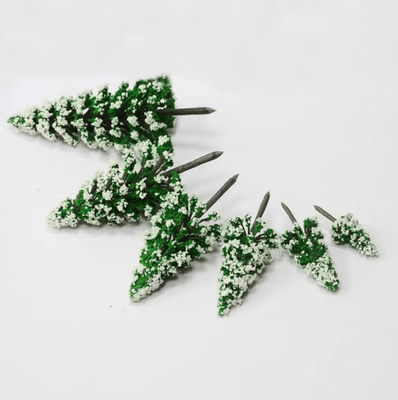
Inspire Essentials Winter Pine Mini Decor Trees Set mixedBring a touch of winter magic to every corner of your home with this beautifully crafted set of miniature snowy pine trees. Perfect for holiday decorators, crafters and collectors, these charming pieces instantly elevate any scene with a cozy...42,48 $*Shipping: 0,00 $Secure redirect to the provider
-
Are trees immortal?
No, trees are not immortal. While some trees can live for thousands of years, eventually they will die. Factors such as disease, environmental changes, and human intervention can all contribute to the eventual death of a tree. However, some species of trees have incredibly long lifespans and can live for many centuries. **
-
Can trees suffer?
While trees do not have a nervous system or the ability to feel pain in the same way that animals do, they can still experience stress and damage. Trees can suffer from environmental stressors such as drought, pollution, and disease, which can impact their growth and overall health. Additionally, trees can also be physically damaged by factors such as storms, pests, and human activities. While their suffering may not be the same as that of animals, it is important to recognize and address the ways in which trees can be negatively impacted by their environment. **
-
What are the differences between deciduous trees and coniferous trees?
Deciduous trees are trees that shed their leaves annually, while coniferous trees are trees that have needle-like or scale-like leaves and bear cones. Deciduous trees typically have broad, flat leaves, while coniferous trees have needle-like or scale-like leaves. Deciduous trees are often found in temperate regions, while coniferous trees are more common in colder climates. Additionally, deciduous trees are usually hardwoods, while coniferous trees are typically softwoods. **
-
Are there blue trees?
No, there are no naturally occurring blue trees. Trees typically have green leaves due to the presence of chlorophyll, which is responsible for the green color. However, there are some species of trees that have bluish or purplish tinted leaves, but they are not truly blue. Any tree that appears blue is likely due to artificial coloring or lighting effects. **
* All prices are inclusive of VAT and, if applicable, plus shipping costs. The offer information is based on the details provided by the respective shop and is updated through automated processes. Real-time updates do not occur, so deviations can occur in individual cases. ** Note: Parts of this content were created by AI.