Buy homepartner.eu ?
We are moving the project
homepartner.eu .
Are you interested in purchasing the domain
homepartner.eu ?
domain@kv-gmbh.de · 0541-91531010
Buy homepartner.eu ?
How is electron microscopy stained?
Electron microscopy uses heavy metal stains to enhance contrast and visibility of the specimen. These stains include uranyl acetate and lead citrate, which are applied to the specimen after it has been fixed and dehydrated. The heavy metal stains interact with the electrons in the microscope, creating contrast between different structures within the specimen. This allows for detailed imaging of the ultrastructure of cells and tissues at a very high resolution. **
What is the command for microscopy?
The command for microscopy is typically "microscope on" or "turn on the microscope." This command is used to activate the microscope and prepare it for use. Once the microscope is turned on, the user can then adjust the settings and focus to begin examining the specimen. **

Similar search terms for Microscopy
Top-Angebote
Products related to Microscopy:
-
Jla Home/Furniture & Decor Caroline Storage Ottoman Tan , TanThe versatile Caroline Tan Storage Ottoman offers good looks, utility, and function. This wooden ottoman is beautifully covered in a tufted, heathered tan polyester fabric and is perfect in your living space. The cushioned top is great for sitting...289,00 $*Shipping: 0,00 $Secure redirect to the provider
-
Jla Home/Furniture & Decor Caymus Storage Bench Gray , GrayThe Caymus Storage Bench offers a chic simplicity designed by Martha Stewart. With natural-finished wood legs, the bench features a wide upholstered design in light gray woven polyester with piped accents. The 3.25 thick, foam-filled cushion also...299,99 $*Shipping: 0,00 $Secure redirect to the provider
-
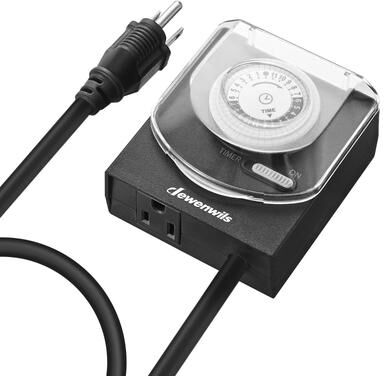
All Categories Goods Outdoor Waterproof Light Timer With Heavy Duty Electrical Timer For Lights & Appliances Outdoor Waterproof Light Timer With Heavy Duty Electrical Timer For Lights & AppliancesTransform how you manage your outdoor lighting and appliances with the Outdoor light timer. Perfect for anyone looking to automate their outdoor lights, pool pumps, or other electrical devices, this timer is designed to save energy and provide...71,97 $*Shipping: 0,00 $Secure redirect to the provider


-
How can I get tardigrades for microscopy?
Tardigrades can be found in various environments such as moss, lichen, leaf litter, and soil. To collect tardigrades for microscopy, you can start by collecting samples from these habitats using a small brush or pipette. The samples can then be placed in a petri dish with a small amount of water and observed under a microscope. Tardigrades are known for their ability to survive extreme conditions, so make sure to keep the samples moist and at a suitable temperature during observation. **
-
Can you explain phase contrast microscopy simply?
Phase contrast microscopy is a technique used to enhance the contrast of transparent, unstained samples, such as living cells or tissues, under a microscope. It works by taking advantage of the phase differences between light waves passing through different parts of the sample, converting these differences into variations in brightness and darkness. This allows for the visualization of internal structures and details that would otherwise be difficult to see with traditional brightfield microscopy. In simple terms, phase contrast microscopy makes transparent samples appear more visible and detailed under the microscope. **
-
How can I obtain tardigrades for microscopy?
Tardigrades can be obtained for microscopy by collecting samples from mosses, lichens, and other damp environments where they are known to thrive. Once collected, the samples can be placed in a petri dish with a small amount of water and observed under a microscope. Tardigrades are known for their ability to survive extreme conditions, so it is important to ensure that the environment in the petri dish remains suitable for their survival. Additionally, there are commercial suppliers that sell tardigrades for microscopy purposes. **
-
What are the advantages of cryo-electron microscopy?
Cryo-electron microscopy (cryo-EM) offers several advantages over other imaging techniques. Firstly, it allows for the visualization of biological samples in their native state without the need for staining or fixing, providing more accurate structural information. Secondly, cryo-EM can achieve higher resolution images compared to traditional electron microscopy, making it a powerful tool for studying complex biological structures. Lastly, cryo-EM is a versatile technique that can be used to study a wide range of samples, from small molecules to large macromolecular complexes. **

What is the purpose and necessity of microscopy?
The purpose of microscopy is to observe and study objects that are too small to be seen with the naked eye. Microscopy allows scientists and researchers to examine the structure, composition, and behavior of microscopic organisms, cells, tissues, and materials. It is necessary for various scientific fields such as biology, medicine, materials science, and nanotechnology, as it provides valuable insights into the fundamental building blocks of life and matter. Microscopy also plays a crucial role in diagnosing diseases, developing new technologies, and advancing our understanding of the natural world. **
Do you have any tips for the microscopy exam?
To prepare for a microscopy exam, it is important to familiarize yourself with the different types of microscopes and their functions. Practice using a microscope to observe various specimens and become comfortable with adjusting the focus and magnification. Review the key components of a microscope, such as the objective lens, eyepiece, and stage, and understand how they work together to produce an image. Additionally, make sure to study the principles of microscopy, including resolution, magnification, and illumination techniques. **
Top-Angebote
Products related to Microscopy:
-
Dualit Copper Set of 5 Kitchen AppliancesElevate Your Kitchen with the Dualit Copper Set of 5 Kitchen Appliances, Where Iconic Meets Elegant. Introducing the Dualit Copper Collection, a reimagined range of classic kitchen appliances with a touch of flair. Designed to bring timeless style and unmatched functionality to your kitchen, this stunning set includes the Classic 4 slice Toaster, Classic Kettle, Cocoatiser Hot Chocolate Maker, Hand Mixer, and Hand Blender, the Copper Collection seamlessly combines high performance with striking aesthetics, making every meal preparation feel like an indulgent experience. Hand Mixer: Power Meets Precision The Dualit Hand Mixer is a sleek, versatile tool designed for the passionate home baker. Its powerful 400W motor and variety of attachments make it perfect for mixing, whipping, kneading, and more. From delicate meringues to dense doughs, this mixer effortlessly handles a wide range of tasks, ensuring perfect results every time. Hand Blender: Versatility at Your Fingertips The 700W Dualit Hand Blender is your go-to kitchen tool for chopping, pureeing, and whisking. With an ergonomic grip and patented anti-suction technology, it offers unmatched control for all your blending needs. Whether you’re making smoothies, soups, or sauces, its variable speed options (7,000-18,000rpm) and powerful turbo function make it a true kitchen workhorse. Classic Toaster: Timeless Design, Modern Features. The 4-Slice Classic Toaster combines Dualit's signature design with advanced features, including ProHeat elements for perfect toasting and a defrost setting for frozen bread. Its energy-efficient slot selector allows you to toast only what you need—perfect for a quick bagel or a full family breakfast. Classic Kettle: Quiet Yet Powerful The Classic Kettle from Dualit offers both style and practicality. Its replaceable element prolongs the lifespan, while Whisper Boil technology ensures a quieter kitchen environment. With a rapid-boil 3kW element, this kettle delivers hot water in a flash. Cocoatiser: Café-Quality Indulgence at Home Treat yourself to rich, smooth hot chocolate at home with the Dualit Cocoatiser™. Create barista-style hot chocolate with your favorite chocolate, experimenting with different types and flavors. The Cocoatiser ensures a velvety texture that rivals your favorite café, making every sip a delight. The Dualit Copper Collection is a statement in both function and form, designed to make everyday moments extraordinary.549,95 £*Shipping: 0,00 £Secure redirect to the provider
-
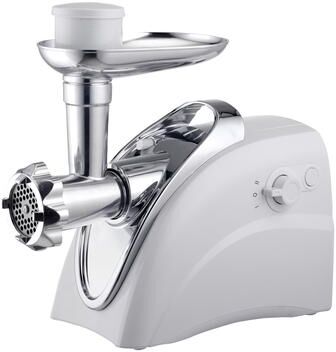
Brentwood Appliances MG-400W White Meat GrinderThis heavy Duty Grinder comes with Stainless Steel Cutting Blades and includes 2pcs of High grade Stainless Steel Cutting discs. It is designed to take on any challenge and is perfect for your signature ground beef and sausages.146,99 $*Shipping: 0,00 $Secure redirect to the provider
-
Jla Home/Furniture & Decor Caroline Storage Ottoman Tan , TanThe versatile Caroline Tan Storage Ottoman offers good looks, utility, and function. This wooden ottoman is beautifully covered in a tufted, heathered tan polyester fabric and is perfect in your living space. The cushioned top is great for sitting...289,00 $*Shipping: 0,00 $Secure redirect to the provider
-
How is electron microscopy stained?
Electron microscopy uses heavy metal stains to enhance contrast and visibility of the specimen. These stains include uranyl acetate and lead citrate, which are applied to the specimen after it has been fixed and dehydrated. The heavy metal stains interact with the electrons in the microscope, creating contrast between different structures within the specimen. This allows for detailed imaging of the ultrastructure of cells and tissues at a very high resolution. **
-
What is the command for microscopy?
The command for microscopy is typically "microscope on" or "turn on the microscope." This command is used to activate the microscope and prepare it for use. Once the microscope is turned on, the user can then adjust the settings and focus to begin examining the specimen. **
-
How can I get tardigrades for microscopy?
Tardigrades can be found in various environments such as moss, lichen, leaf litter, and soil. To collect tardigrades for microscopy, you can start by collecting samples from these habitats using a small brush or pipette. The samples can then be placed in a petri dish with a small amount of water and observed under a microscope. Tardigrades are known for their ability to survive extreme conditions, so make sure to keep the samples moist and at a suitable temperature during observation. **
-
Can you explain phase contrast microscopy simply?
Phase contrast microscopy is a technique used to enhance the contrast of transparent, unstained samples, such as living cells or tissues, under a microscope. It works by taking advantage of the phase differences between light waves passing through different parts of the sample, converting these differences into variations in brightness and darkness. This allows for the visualization of internal structures and details that would otherwise be difficult to see with traditional brightfield microscopy. In simple terms, phase contrast microscopy makes transparent samples appear more visible and detailed under the microscope. **
Similar search terms for Microscopy
-
Jla Home/Furniture & Decor Caymus Storage Bench Gray , GrayThe Caymus Storage Bench offers a chic simplicity designed by Martha Stewart. With natural-finished wood legs, the bench features a wide upholstered design in light gray woven polyester with piped accents. The 3.25 thick, foam-filled cushion also...299,99 $*Shipping: 0,00 $Secure redirect to the provider
-
All Categories Goods Outdoor Waterproof Light Timer With Heavy Duty Electrical Timer For Lights & Appliances Outdoor Waterproof Light Timer With Heavy Duty Electrical Timer For Lights & AppliancesTransform how you manage your outdoor lighting and appliances with the Outdoor light timer. Perfect for anyone looking to automate their outdoor lights, pool pumps, or other electrical devices, this timer is designed to save energy and provide...71,97 $*Shipping: 0,00 $Secure redirect to the provider
-
Jla Home/Furniture & Decor Caroline Storage Ottoman Blue Shadow , Blue ShadowThe versatile Caroline Blue Shadow Storage Ottoman offers good looks, utility, and function. This wooden ottoman is beautifully covered in a tufted, heathered blue shadow polyester fabric and is perfect in your living space. The cushioned top is...289,00 $*Shipping: 0,00 $Secure redirect to the provider
-
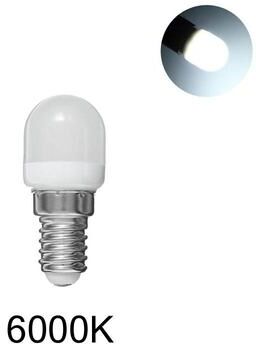
Inspired Deals Mini LED Bulb Energy Saving Spotlight Lamp For Home Appliances cold WhiteSmall in size but powerful in performance, this lighting solution brings reliable brightness wherever you need it most. Designed as a mini LED bulb, it delivers efficient illumination for everyday household and appliance use without increasing...34,97 $*Shipping: 0,00 $Secure redirect to the provider
-
How can I obtain tardigrades for microscopy?
Tardigrades can be obtained for microscopy by collecting samples from mosses, lichens, and other damp environments where they are known to thrive. Once collected, the samples can be placed in a petri dish with a small amount of water and observed under a microscope. Tardigrades are known for their ability to survive extreme conditions, so it is important to ensure that the environment in the petri dish remains suitable for their survival. Additionally, there are commercial suppliers that sell tardigrades for microscopy purposes. **
-
What are the advantages of cryo-electron microscopy?
Cryo-electron microscopy (cryo-EM) offers several advantages over other imaging techniques. Firstly, it allows for the visualization of biological samples in their native state without the need for staining or fixing, providing more accurate structural information. Secondly, cryo-EM can achieve higher resolution images compared to traditional electron microscopy, making it a powerful tool for studying complex biological structures. Lastly, cryo-EM is a versatile technique that can be used to study a wide range of samples, from small molecules to large macromolecular complexes. **
-
What is the purpose and necessity of microscopy?
The purpose of microscopy is to observe and study objects that are too small to be seen with the naked eye. Microscopy allows scientists and researchers to examine the structure, composition, and behavior of microscopic organisms, cells, tissues, and materials. It is necessary for various scientific fields such as biology, medicine, materials science, and nanotechnology, as it provides valuable insights into the fundamental building blocks of life and matter. Microscopy also plays a crucial role in diagnosing diseases, developing new technologies, and advancing our understanding of the natural world. **
-
Do you have any tips for the microscopy exam?
To prepare for a microscopy exam, it is important to familiarize yourself with the different types of microscopes and their functions. Practice using a microscope to observe various specimens and become comfortable with adjusting the focus and magnification. Review the key components of a microscope, such as the objective lens, eyepiece, and stage, and understand how they work together to produce an image. Additionally, make sure to study the principles of microscopy, including resolution, magnification, and illumination techniques. **
* All prices are inclusive of VAT and, if applicable, plus shipping costs. The offer information is based on the details provided by the respective shop and is updated through automated processes. Real-time updates do not occur, so deviations can occur in individual cases. ** Note: Parts of this content were created by AI.