Buy homepartner.eu ?
We are moving the project
homepartner.eu .
Are you interested in purchasing the domain
homepartner.eu ?
domain@kv-gmbh.de · 0541-91531010
Buy homepartner.eu ?
Why are hydrogen bonds stronger than dipole-dipole interactions?
Hydrogen bonds are stronger than dipole-dipole interactions because they involve a specific interaction between a hydrogen atom and a highly electronegative atom such as oxygen, nitrogen, or fluorine. This creates a strong partial positive charge on the hydrogen atom and a strong partial negative charge on the electronegative atom, leading to a strong attraction between the two. In contrast, dipole-dipole interactions occur between the partial positive and negative charges of polar molecules, which are generally weaker than the specific interaction between a hydrogen atom and a highly electronegative atom in a hydrogen bond. **
Why do ethers have only weak dipole-dipole interactions?
Ethers have only weak dipole-dipole interactions because the oxygen atom in the ether molecule is less electronegative than the oxygen atom in alcohols or the nitrogen atom in amines. This results in a smaller difference in electronegativity between the oxygen and the carbon atoms in the ether molecule, leading to weaker dipole moments. As a result, the overall dipole-dipole interactions in ethers are weaker compared to molecules with larger electronegativity differences, such as alcohols and amines. **

Similar search terms for Dipole
Top-Angebote
Products related to Dipole:
-
Jla Home/Furniture & Decor Caymus Storage Bench Gray , GrayThe Caymus Storage Bench offers a chic simplicity designed by Martha Stewart. With natural-finished wood legs, the bench features a wide upholstered design in light gray woven polyester with piped accents. The 3.25 thick, foam-filled cushion also...299,99 $*Shipping: 0,00 $Secure redirect to the provider
-
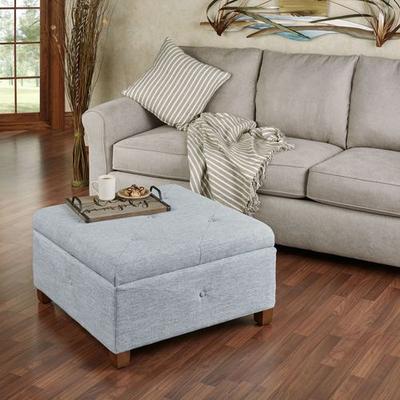
Jla Home/Furniture & Decor Caroline Storage Ottoman Tan , TanThe versatile Caroline Tan Storage Ottoman offers good looks, utility, and function. This wooden ottoman is beautifully covered in a tufted, heathered tan polyester fabric and is perfect in your living space. The cushioned top is great for sitting...289,00 $*Shipping: 0,00 $Secure redirect to the provider
-
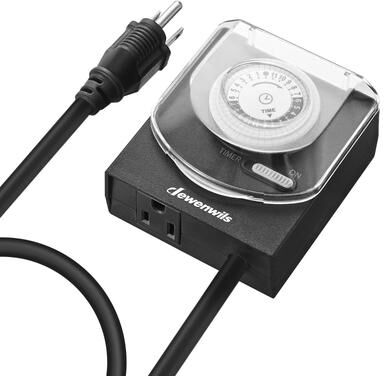
All Categories Goods Outdoor Waterproof Light Timer With Heavy Duty Electrical Timer For Lights & Appliances Outdoor Waterproof Light Timer With Heavy Duty Electrical Timer For Lights & AppliancesTransform how you manage your outdoor lighting and appliances with the Outdoor light timer. Perfect for anyone looking to automate their outdoor lights, pool pumps, or other electrical devices, this timer is designed to save energy and provide...71,97 $*Shipping: 0,00 $Secure redirect to the provider


-
How do dipole-dipole forces affect the boiling temperature?
Dipole-dipole forces are attractive forces between the positive end of one polar molecule and the negative end of another polar molecule. These forces cause the molecules to be attracted to each other and stick together, making it more difficult for them to break apart and become a gas. As a result, substances with stronger dipole-dipole forces will have higher boiling temperatures because more energy is required to overcome these attractive forces and turn the substance into a gas. Therefore, the presence of dipole-dipole forces can increase the boiling temperature of a substance. **
-
Is the ammonia molecule a dipole or not a dipole?
The ammonia molecule is a dipole. This is because the molecule has a trigonal pyramidal shape with a lone pair of electrons on the nitrogen atom. The electronegativity difference between nitrogen and hydrogen causes the molecule to have a net dipole moment, with the nitrogen end being partially negative and the hydrogen end being partially positive. This makes ammonia a polar molecule. **
-
Why is CO2 not a dipole and H2O a dipole?
CO2 is not a dipole because it has a linear molecular geometry, meaning the two oxygen atoms are symmetrically arranged around the central carbon atom, resulting in a net dipole moment of zero. On the other hand, H2O is a dipole because it has a bent molecular geometry, causing the oxygen atom to pull the shared electrons closer to itself, resulting in a net dipole moment. This uneven distribution of charge creates a positive end (the hydrogen atoms) and a negative end (the oxygen atom), making H2O a polar molecule. **
-
What is the difference between hydrogen bonding and dipole-dipole interactions?
Hydrogen bonding is a specific type of dipole-dipole interaction that occurs between a hydrogen atom bonded to a highly electronegative atom (such as oxygen, nitrogen, or fluorine) and another electronegative atom in a different molecule. This type of interaction is stronger than regular dipole-dipole interactions because of the large electronegativity difference between the hydrogen and the other atom, resulting in a stronger attraction between the molecules. In contrast, dipole-dipole interactions occur between the positive end of one polar molecule and the negative end of another polar molecule, but do not involve a hydrogen atom bonded to a highly electronegative atom. **

What is the difference between a dipole and a non-dipole?
A dipole is a molecule that has a separation of positive and negative charges, resulting in a net dipole moment. This means that the molecule has a non-uniform distribution of electron density, leading to a partial positive and partial negative charge. On the other hand, a non-dipole molecule has a symmetrical distribution of electron density, resulting in no net dipole moment. This means that the molecule does not have a separation of positive and negative charges, and therefore does not exhibit dipole-dipole interactions. **
What is the difference between dipole-dipole forces and hydrogen bonds?
Dipole-dipole forces are attractive forces between the positive end of one polar molecule and the negative end of another polar molecule. These forces occur between any two polar molecules and are relatively weaker than hydrogen bonds. On the other hand, hydrogen bonds are a specific type of dipole-dipole force that occurs between a hydrogen atom bonded to a highly electronegative atom (such as oxygen, nitrogen, or fluorine) and a lone pair of electrons on another highly electronegative atom. This type of bond is stronger than regular dipole-dipole forces and is responsible for the unique properties of water and other molecules with hydrogen bonding. **
Top-Angebote
Products related to Dipole:
-
Brentwood Appliances MG-400W White Meat GrinderThis heavy Duty Grinder comes with Stainless Steel Cutting Blades and includes 2pcs of High grade Stainless Steel Cutting discs. It is designed to take on any challenge and is perfect for your signature ground beef and sausages.146,99 $*Shipping: 0,00 $Secure redirect to the provider
-
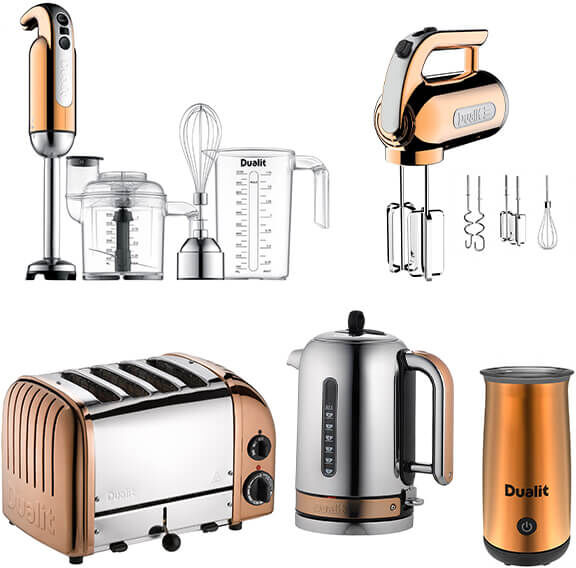
Dualit Copper Set of 5 Kitchen AppliancesElevate Your Kitchen with the Dualit Copper Set of 5 Kitchen Appliances, Where Iconic Meets Elegant. Introducing the Dualit Copper Collection, a reimagined range of classic kitchen appliances with a touch of flair. Designed to bring timeless style and unmatched functionality to your kitchen, this stunning set includes the Classic 4 slice Toaster, Classic Kettle, Cocoatiser Hot Chocolate Maker, Hand Mixer, and Hand Blender, the Copper Collection seamlessly combines high performance with striking aesthetics, making every meal preparation feel like an indulgent experience. Hand Mixer: Power Meets Precision The Dualit Hand Mixer is a sleek, versatile tool designed for the passionate home baker. Its powerful 400W motor and variety of attachments make it perfect for mixing, whipping, kneading, and more. From delicate meringues to dense doughs, this mixer effortlessly handles a wide range of tasks, ensuring perfect results every time. Hand Blender: Versatility at Your Fingertips The 700W Dualit Hand Blender is your go-to kitchen tool for chopping, pureeing, and whisking. With an ergonomic grip and patented anti-suction technology, it offers unmatched control for all your blending needs. Whether you’re making smoothies, soups, or sauces, its variable speed options (7,000-18,000rpm) and powerful turbo function make it a true kitchen workhorse. Classic Toaster: Timeless Design, Modern Features. The 4-Slice Classic Toaster combines Dualit's signature design with advanced features, including ProHeat elements for perfect toasting and a defrost setting for frozen bread. Its energy-efficient slot selector allows you to toast only what you need—perfect for a quick bagel or a full family breakfast. Classic Kettle: Quiet Yet Powerful The Classic Kettle from Dualit offers both style and practicality. Its replaceable element prolongs the lifespan, while Whisper Boil technology ensures a quieter kitchen environment. With a rapid-boil 3kW element, this kettle delivers hot water in a flash. Cocoatiser: Café-Quality Indulgence at Home Treat yourself to rich, smooth hot chocolate at home with the Dualit Cocoatiser™. Create barista-style hot chocolate with your favorite chocolate, experimenting with different types and flavors. The Cocoatiser ensures a velvety texture that rivals your favorite café, making every sip a delight. The Dualit Copper Collection is a statement in both function and form, designed to make everyday moments extraordinary.549,95 £*Shipping: 0,00 £Secure redirect to the provider
-
Jla Home/Furniture & Decor Caymus Storage Bench Gray , GrayThe Caymus Storage Bench offers a chic simplicity designed by Martha Stewart. With natural-finished wood legs, the bench features a wide upholstered design in light gray woven polyester with piped accents. The 3.25 thick, foam-filled cushion also...299,99 $*Shipping: 0,00 $Secure redirect to the provider
-
Why are hydrogen bonds stronger than dipole-dipole interactions?
Hydrogen bonds are stronger than dipole-dipole interactions because they involve a specific interaction between a hydrogen atom and a highly electronegative atom such as oxygen, nitrogen, or fluorine. This creates a strong partial positive charge on the hydrogen atom and a strong partial negative charge on the electronegative atom, leading to a strong attraction between the two. In contrast, dipole-dipole interactions occur between the partial positive and negative charges of polar molecules, which are generally weaker than the specific interaction between a hydrogen atom and a highly electronegative atom in a hydrogen bond. **
-
Why do ethers have only weak dipole-dipole interactions?
Ethers have only weak dipole-dipole interactions because the oxygen atom in the ether molecule is less electronegative than the oxygen atom in alcohols or the nitrogen atom in amines. This results in a smaller difference in electronegativity between the oxygen and the carbon atoms in the ether molecule, leading to weaker dipole moments. As a result, the overall dipole-dipole interactions in ethers are weaker compared to molecules with larger electronegativity differences, such as alcohols and amines. **
-
How do dipole-dipole forces affect the boiling temperature?
Dipole-dipole forces are attractive forces between the positive end of one polar molecule and the negative end of another polar molecule. These forces cause the molecules to be attracted to each other and stick together, making it more difficult for them to break apart and become a gas. As a result, substances with stronger dipole-dipole forces will have higher boiling temperatures because more energy is required to overcome these attractive forces and turn the substance into a gas. Therefore, the presence of dipole-dipole forces can increase the boiling temperature of a substance. **
-
Is the ammonia molecule a dipole or not a dipole?
The ammonia molecule is a dipole. This is because the molecule has a trigonal pyramidal shape with a lone pair of electrons on the nitrogen atom. The electronegativity difference between nitrogen and hydrogen causes the molecule to have a net dipole moment, with the nitrogen end being partially negative and the hydrogen end being partially positive. This makes ammonia a polar molecule. **
Similar search terms for Dipole
-
Jla Home/Furniture & Decor Caroline Storage Ottoman Tan , TanThe versatile Caroline Tan Storage Ottoman offers good looks, utility, and function. This wooden ottoman is beautifully covered in a tufted, heathered tan polyester fabric and is perfect in your living space. The cushioned top is great for sitting...289,00 $*Shipping: 0,00 $Secure redirect to the provider
-
All Categories Goods Outdoor Waterproof Light Timer With Heavy Duty Electrical Timer For Lights & Appliances Outdoor Waterproof Light Timer With Heavy Duty Electrical Timer For Lights & AppliancesTransform how you manage your outdoor lighting and appliances with the Outdoor light timer. Perfect for anyone looking to automate their outdoor lights, pool pumps, or other electrical devices, this timer is designed to save energy and provide...71,97 $*Shipping: 0,00 $Secure redirect to the provider
-
Jla Home/Furniture & Decor Caroline Storage Ottoman Blue Shadow , Blue ShadowThe versatile Caroline Blue Shadow Storage Ottoman offers good looks, utility, and function. This wooden ottoman is beautifully covered in a tufted, heathered blue shadow polyester fabric and is perfect in your living space. The cushioned top is...289,00 $*Shipping: 0,00 $Secure redirect to the provider
-
Bargoose Home Textiles, Inc. Jacquard Bedspread Collection by Bargoose Home Textiles - Made in PortugalThis richly textured, luxury woven Jacquard Design Bedspread from Bargoose Home Textiles adds a simple but elegant look to your bed. This Jacquard bedspread is lightweight, comfortable, and machine washable (a must for allergy sufferers).142,58 $*Shipping: 0,00 $Secure redirect to the provider
-
Why is CO2 not a dipole and H2O a dipole?
CO2 is not a dipole because it has a linear molecular geometry, meaning the two oxygen atoms are symmetrically arranged around the central carbon atom, resulting in a net dipole moment of zero. On the other hand, H2O is a dipole because it has a bent molecular geometry, causing the oxygen atom to pull the shared electrons closer to itself, resulting in a net dipole moment. This uneven distribution of charge creates a positive end (the hydrogen atoms) and a negative end (the oxygen atom), making H2O a polar molecule. **
-
What is the difference between hydrogen bonding and dipole-dipole interactions?
Hydrogen bonding is a specific type of dipole-dipole interaction that occurs between a hydrogen atom bonded to a highly electronegative atom (such as oxygen, nitrogen, or fluorine) and another electronegative atom in a different molecule. This type of interaction is stronger than regular dipole-dipole interactions because of the large electronegativity difference between the hydrogen and the other atom, resulting in a stronger attraction between the molecules. In contrast, dipole-dipole interactions occur between the positive end of one polar molecule and the negative end of another polar molecule, but do not involve a hydrogen atom bonded to a highly electronegative atom. **
-
What is the difference between a dipole and a non-dipole?
A dipole is a molecule that has a separation of positive and negative charges, resulting in a net dipole moment. This means that the molecule has a non-uniform distribution of electron density, leading to a partial positive and partial negative charge. On the other hand, a non-dipole molecule has a symmetrical distribution of electron density, resulting in no net dipole moment. This means that the molecule does not have a separation of positive and negative charges, and therefore does not exhibit dipole-dipole interactions. **
-
What is the difference between dipole-dipole forces and hydrogen bonds?
Dipole-dipole forces are attractive forces between the positive end of one polar molecule and the negative end of another polar molecule. These forces occur between any two polar molecules and are relatively weaker than hydrogen bonds. On the other hand, hydrogen bonds are a specific type of dipole-dipole force that occurs between a hydrogen atom bonded to a highly electronegative atom (such as oxygen, nitrogen, or fluorine) and a lone pair of electrons on another highly electronegative atom. This type of bond is stronger than regular dipole-dipole forces and is responsible for the unique properties of water and other molecules with hydrogen bonding. **
* All prices are inclusive of VAT and, if applicable, plus shipping costs. The offer information is based on the details provided by the respective shop and is updated through automated processes. Real-time updates do not occur, so deviations can occur in individual cases. ** Note: Parts of this content were created by AI.