Buy homepartner.eu ?
We are moving the project
homepartner.eu .
Are you interested in purchasing the domain
homepartner.eu ?
domain@kv-gmbh.de · 0541-91531010
Buy homepartner.eu ?
What does 'du brunzkache du ogsoachte' mean?
The phrase "du brunzkache du ogsoachte" is in the Bavarian dialect of German and translates to "you're crazy, you're delusional" in English. It is used to express disbelief or to dismiss someone's ideas or actions as irrational or nonsensical. **
Is it said "Du backst" or "Du bäckst"?
The correct form is "Du backst." The verb "backen" means "to bake" in German, and when conjugated for the second person singular (du), it takes the form "backst." The umlaut (ä) in "bäckst" is incorrect in this context. **


Similar search terms for Du
Top-Angebote
Products related to Du:
-
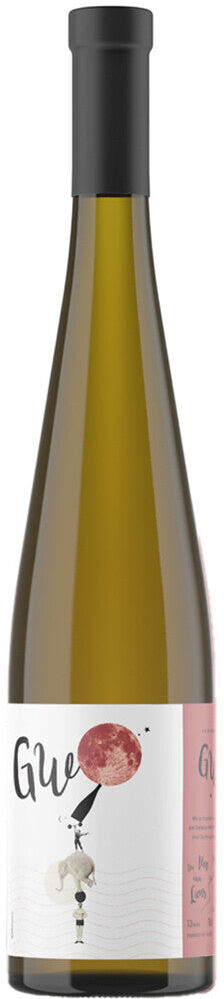
White 'GW' Du Vin aux LiensThe White "GW" Du Vin aux Liens is an excellent Gewurztraminer produced in the renowned Alsace region, the result of a collaboration between the 'négoce' Du Vin aux Liens and the 'domaine' Albert Hertz. This wine represents an example of commitment to biodynamics, as Du Vin aux Liens' philosophy revolves around promoting small producers who embrace this agricultural approach. The uniqueness of this label is also expressed through skin maceration, a process that enhances the characteristic fragrances of the grape variety and imparts a pleasant fullness to the palate. The roots of the "GW" Du Vin aux Liens are anchored in the lands of Alsace, where Gewürztraminer grapes are cultivated with passion and dedication. Harvesting, meticulously destemmed and handpicked, is just the beginning of a craftsmanship process. Extended pressing with a 12-hour skin maceration is a technique that emphasizes the aromatic characteristics of Gewurztraminer. Vinification and aging take place in oak barrels for 24 months, contributing to the complexity and structure of the wine. The choice to limit sulfur input and not filter the wine highlights the desire to preserve the purity and authenticity of the product. The Du Vin aux Liens Gewurztraminer unfolds in the glass with a characteristic aromatic profile, dominated by notes of macerated flowers and tropical fruit, with mineral nuances reminiscent of flintstone. On the palate, this wine surprises with its fragrance and roundness, offering a rustic yet balanced sip of great pleasure. The finish is persistent, enriched with fantastic minerality. This Gewurztraminer, dry, rich, and complex, reveals notes of white fruit such as peach and pear, alongside citrus zest and acacia flowers. The freshness accompanies the finish, making this wine ideal for pairings with selected cheeses and gourmet dishes based on fish or white meats.20,00 £*Shipping: 48,00 £Secure redirect to the provider


-
Do you say "Du backst" or "Du bäckst"?
The correct spelling is "Du backst." The verb "backen" is conjugated as "backst" in the second person singular form. The umlaut on the letter "a" is not used in this conjugation. **
-
Does it say "Du hältst" or "Du hältst"?
It says "Du hältst." **
-
Does it say "Du backst" or "Du bäckst"?
It says "Du backst." The verb "backen" (to bake) is conjugated as "backst" in the second person singular form in the present tense. The form "Du bäckst" would be incorrect in standard German. **
-
Why do we say "du hältst" but not "du setzt" instead "du setzt dich"?
In German, the verb "setzen" typically requires a direct object, so when using it in the second person singular form, it is often accompanied by a reflexive pronoun to indicate that the action is being performed on oneself. This is why we say "du setzt dich" instead of just "du setzt." On the other hand, the verb "halten" does not require a direct object, so it can be used on its own without a reflexive pronoun, resulting in "du hältst." This distinction in usage is a characteristic of the German language and its grammar rules. **
What does "Du weißt nicht, was du willst?" mean?
"Du weißt nicht, was du willst?" is a German phrase that translates to "You don't know what you want?" in English. It is often used to express frustration or confusion towards someone who seems indecisive or unsure about their desires or intentions. The phrase can be used in various contexts, such as in relationships, decision-making, or when someone is being wishy-washy about their choices. **
Why is it "du nutzt" and not "du nutzst"?
The verb "nutzen" is an irregular verb in German, and its conjugation in the present tense for the second person singular (du) is "du nutzt" instead of "du nutzst." This irregularity is due to the vowel change in the stem of the verb. In German, some verbs undergo a vowel change in the stem in the present tense conjugation, and "nutzen" is one of those verbs. Therefore, the correct form is "du nutzt" to follow the irregular conjugation pattern of the verb "nutzen." **
Top-Angebote
Products related to Du:
-
Grolleau La Ferme du Plateau 2019The Grolleau from the La Ferme du Plateau winery is a genuine and artisanal red wine produced in the Loire, within the Touraine wine region. The Domaine is managed by Adrien Baloche and his wife Anne, with the former handling all aspects related to agronomy and oenology, while the latter has started a goat farm for cheese production. Of the owned hectares, 6 are dedicated to vineyards while the rest is used for orchards and gardens, as well as spaces for livestock, in a context of polyculture. The production philosophy is strongly artisanal, with minimal and targeted interventions and the exclusion of any synthetic chemical substances or oenological additives. Grolleau La Ferme du Plateau is a 100% Grolleau grown on clay-limestone soils rich in flint according to the principles of organic and biodynamic agriculture. The harvests are carried out entirely by hand and the grapes are vinified in red, with the alcoholic fermentation conducted exclusively by indigenous yeasts in steel tanks, where the subsequent refinement of a few months also takes place. No sulfur dioxide is added throughout the entire processing.refinement of a few months. No sulfur dioxide is added throughout the entire processing. La Ferme du Plateau Grolleau has a slightly intense ruby red color. On the nose, aromas of small dark fruits, sweet spices, cardamom, and graphite unfold, enriched by pleasant herbal notes. Fresh, lean, and agile on the palate, with a pleasant tannic structure that anticipates a finish of excellent taste-olfactory correspondence. It is a label of great drinkability and smoothness, characteristics that make it suitable to accompany preparations of not excessively structured white or red meats.21,00 £*Shipping: 48,00 £Secure redirect to the provider
-
White 'GW' Du Vin aux LiensThe White "GW" Du Vin aux Liens is an excellent Gewurztraminer produced in the renowned Alsace region, the result of a collaboration between the 'négoce' Du Vin aux Liens and the 'domaine' Albert Hertz. This wine represents an example of commitment to biodynamics, as Du Vin aux Liens' philosophy revolves around promoting small producers who embrace this agricultural approach. The uniqueness of this label is also expressed through skin maceration, a process that enhances the characteristic fragrances of the grape variety and imparts a pleasant fullness to the palate. The roots of the "GW" Du Vin aux Liens are anchored in the lands of Alsace, where Gewürztraminer grapes are cultivated with passion and dedication. Harvesting, meticulously destemmed and handpicked, is just the beginning of a craftsmanship process. Extended pressing with a 12-hour skin maceration is a technique that emphasizes the aromatic characteristics of Gewurztraminer. Vinification and aging take place in oak barrels for 24 months, contributing to the complexity and structure of the wine. The choice to limit sulfur input and not filter the wine highlights the desire to preserve the purity and authenticity of the product. The Du Vin aux Liens Gewurztraminer unfolds in the glass with a characteristic aromatic profile, dominated by notes of macerated flowers and tropical fruit, with mineral nuances reminiscent of flintstone. On the palate, this wine surprises with its fragrance and roundness, offering a rustic yet balanced sip of great pleasure. The finish is persistent, enriched with fantastic minerality. This Gewurztraminer, dry, rich, and complex, reveals notes of white fruit such as peach and pear, alongside citrus zest and acacia flowers. The freshness accompanies the finish, making this wine ideal for pairings with selected cheeses and gourmet dishes based on fish or white meats.20,00 £*Shipping: 48,00 £Secure redirect to the provider
-
What does 'du brunzkache du ogsoachte' mean?
The phrase "du brunzkache du ogsoachte" is in the Bavarian dialect of German and translates to "you're crazy, you're delusional" in English. It is used to express disbelief or to dismiss someone's ideas or actions as irrational or nonsensical. **
-
Is it said "Du backst" or "Du bäckst"?
The correct form is "Du backst." The verb "backen" means "to bake" in German, and when conjugated for the second person singular (du), it takes the form "backst." The umlaut (ä) in "bäckst" is incorrect in this context. **
-
Do you say "Du backst" or "Du bäckst"?
The correct spelling is "Du backst." The verb "backen" is conjugated as "backst" in the second person singular form. The umlaut on the letter "a" is not used in this conjugation. **
-
Does it say "Du hältst" or "Du hältst"?
It says "Du hältst." **
Similar search terms for Du
-
Does it say "Du backst" or "Du bäckst"?
It says "Du backst." The verb "backen" (to bake) is conjugated as "backst" in the second person singular form in the present tense. The form "Du bäckst" would be incorrect in standard German. **
-
Why do we say "du hältst" but not "du setzt" instead "du setzt dich"?
In German, the verb "setzen" typically requires a direct object, so when using it in the second person singular form, it is often accompanied by a reflexive pronoun to indicate that the action is being performed on oneself. This is why we say "du setzt dich" instead of just "du setzt." On the other hand, the verb "halten" does not require a direct object, so it can be used on its own without a reflexive pronoun, resulting in "du hältst." This distinction in usage is a characteristic of the German language and its grammar rules. **
-
What does "Du weißt nicht, was du willst?" mean?
"Du weißt nicht, was du willst?" is a German phrase that translates to "You don't know what you want?" in English. It is often used to express frustration or confusion towards someone who seems indecisive or unsure about their desires or intentions. The phrase can be used in various contexts, such as in relationships, decision-making, or when someone is being wishy-washy about their choices. **
-
Why is it "du nutzt" and not "du nutzst"?
The verb "nutzen" is an irregular verb in German, and its conjugation in the present tense for the second person singular (du) is "du nutzt" instead of "du nutzst." This irregularity is due to the vowel change in the stem of the verb. In German, some verbs undergo a vowel change in the stem in the present tense conjugation, and "nutzen" is one of those verbs. Therefore, the correct form is "du nutzt" to follow the irregular conjugation pattern of the verb "nutzen." **
* All prices are inclusive of VAT and, if applicable, plus shipping costs. The offer information is based on the details provided by the respective shop and is updated through automated processes. Real-time updates do not occur, so deviations can occur in individual cases. ** Note: Parts of this content were created by AI.